
Yoga for Musculoskeletal Pain in Perimenopause and Menopause
Jen Beal | SEP 9, 2024
menopause
perimenopause
yoga for menopause
musculoskeletal pain
Menopause is a time of significant change, not just emotionally but physically. I am all too aware of this these days. The musculoskeletal pain, aches and discomfort in the joints, muscles and connective tissues, have been hitting me hard lately. As my hormones fluctuate, I have noticed that pain and stiffness creep into areas that have never bothered me before. What does seem to help, surprise surprise, is yoga.
Before we dive in, I want to start by stating the obvious. I am not a doctor. What I am sharing here comes from my own personal experience as a yoga teacher and someone who is in the thick of the changes and transitions associated with menopause. Yoga has been an incredibly helpful tool for me, and others, in managing pain. However, it is always a good idea to check in with your doctor to ensure any new practice is right for you, your body and your specific needs.
Why Musculoskeletal Pain Happens in Menopause
During menopause, our body's production of estrogen and progesterone decreases. These hormones play a big role in maintaining bone density and muscle health, so when they drop, joint stiffness, muscle tension and even pain can follow. Some women experience pain in their hips, lower back, knees and shoulders. For me, it's definitely my low back and hips. According to Harvard Health, yoga is a gentle yet effective way to support joint health and reduce pain, especially as we age. Yoga has been a helpful way to manage this pain because it focuses on balance: not only physical balance, but balancing my body's strength and flexibility, along with finding ease in movement. Let me repeat that last part: finding EASE in movement. I have learned that finding ease in what I do is huge. I will physically release my jaw, unclench my hands, soften my shoulders, find lightness in my steps, etc.
The North American Menopause Society (NAMS) also notes that lifestyle interventions, including physical activity like yoga, can be helpful in managing common menopause symptoms, such as joint pain, fatigue and stiffness.
How Yoga Can Help with Menopause Related Pain
Improving Flexibility: Stretching tight muscles and joints to increase mobility.
Building Strength: Strengthening the muscles that support our joints.
Reducing Stress: The calming effects of yoga can lower stress, which often contributes to physical pain.
One of the most wonderful things about yoga is that it meets you exactly where you are. Maybe you're new to yoga, maybe you've been practicing for years. Either way, you can adjust your practice to work with your body's changing needs. Let me just say, my yoga practice has changed dramatically over the last 15 years. It used to be about handstands and arm balances. While those things are still fun, what I chase now are ways to move my body that promotes movement without pain.
Yoga Poses for Musculoskeletal Pain in Menopause
Speaking of poses that I chase now... Here are some gentle, effective poses that have eased some common areas of pain I have experienced.
For Hips and Lower Back Pain
Hormonal changes during menopause can lead to tightness in the hips and lower back, especially if you spend a lot of time sitting.
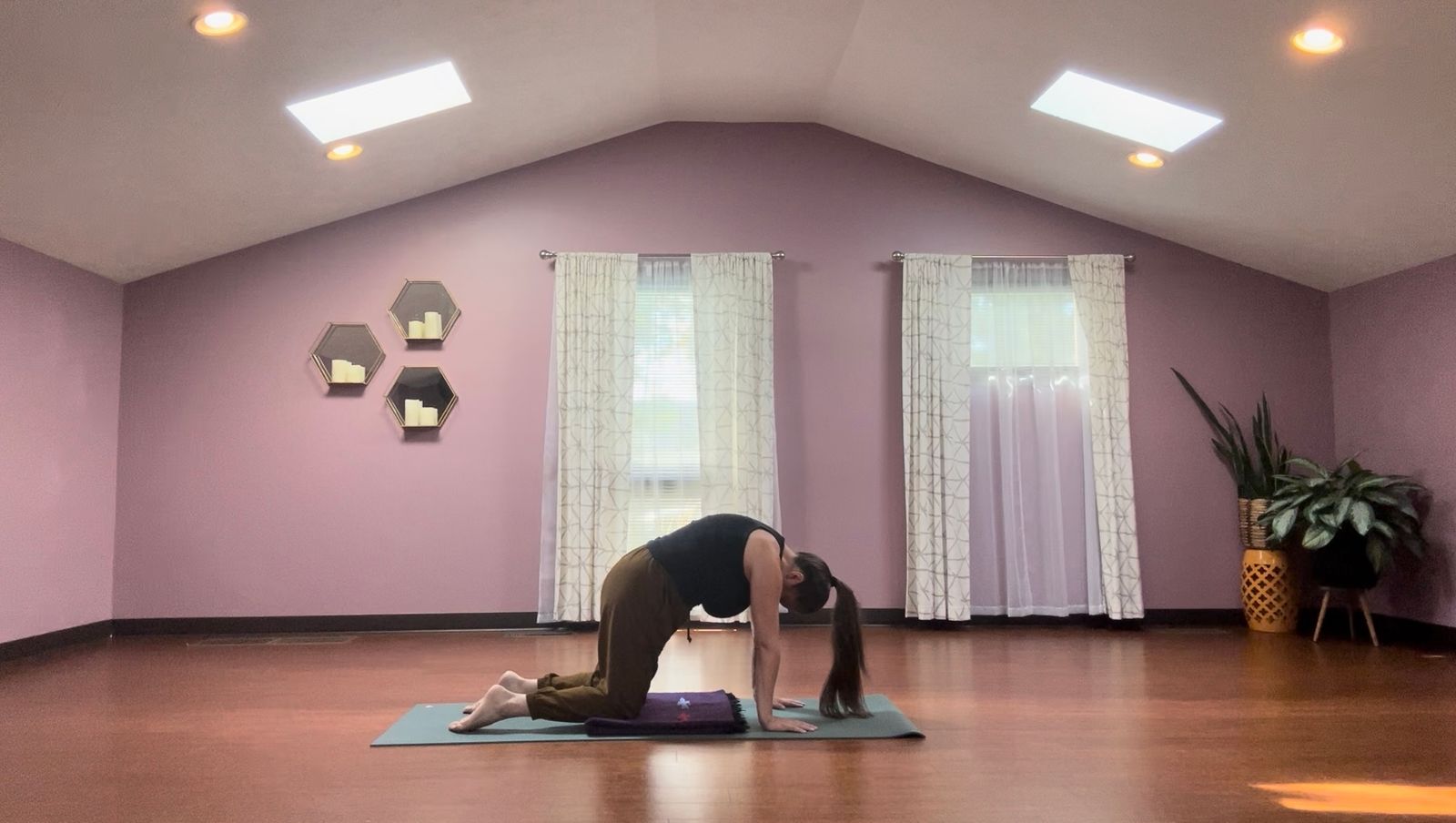
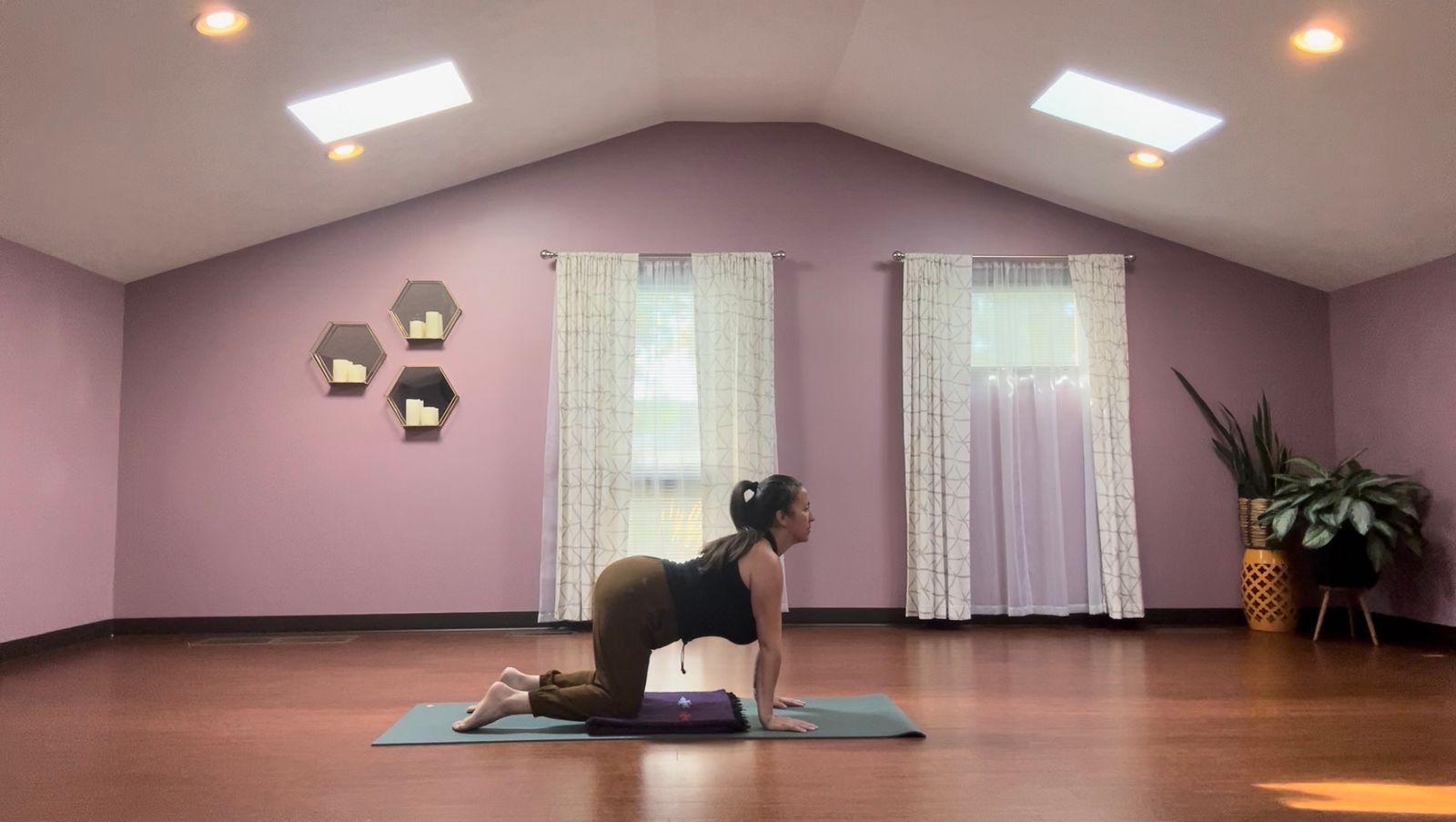
Cat/Cow: This pose warms up the spine, improves flexibility and eases tension in the lower back and hips.
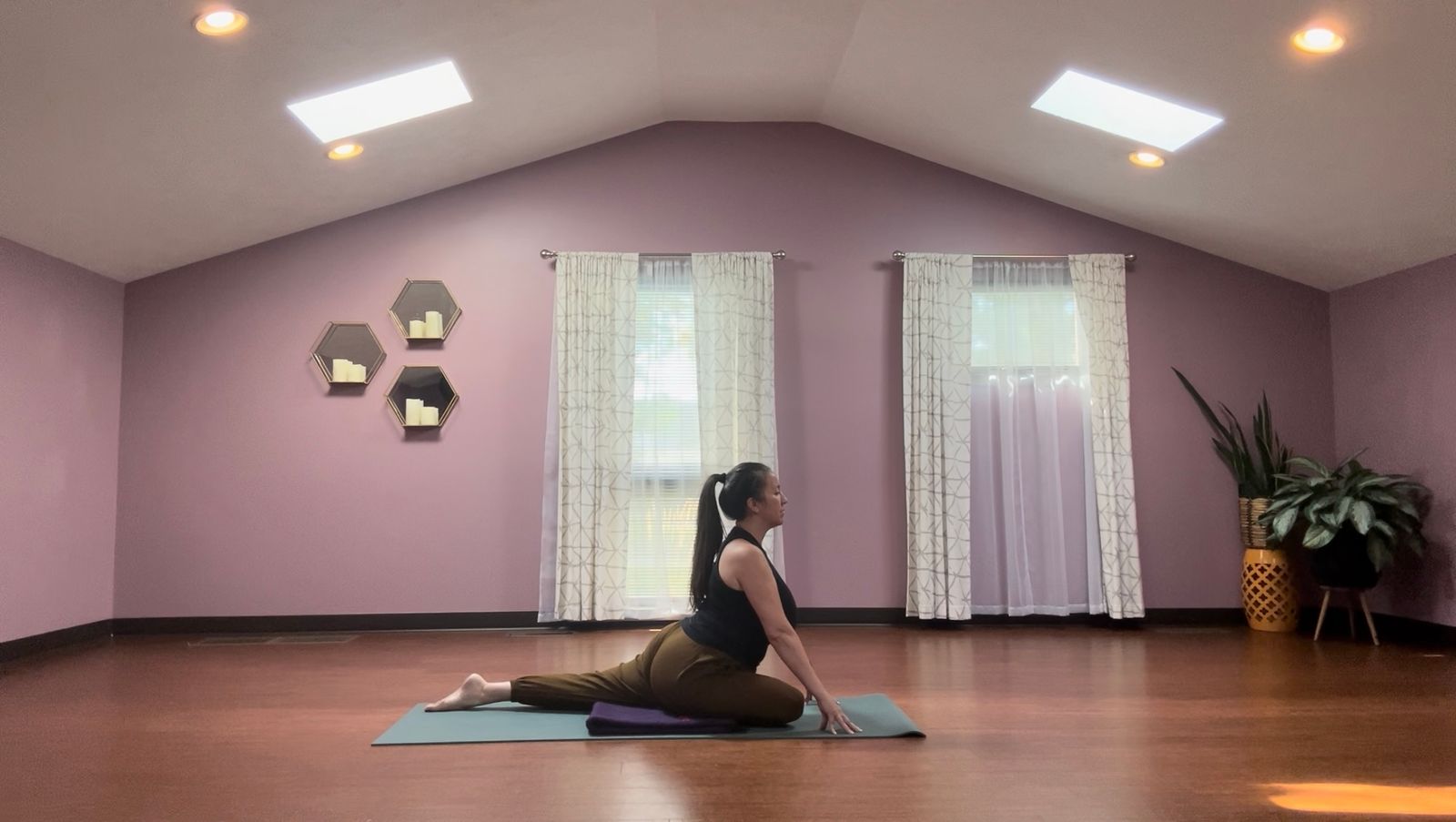
Pigeon: A deep hip opener that helps release tightness in the hips, which can alleviate lower back pain. A personal favorite of mine!
For Knee and Joint Pain
The loss of estrogen can lead to weaker joints. As explained by Mayo Clinic, joint pain is a common symptom of menopause.
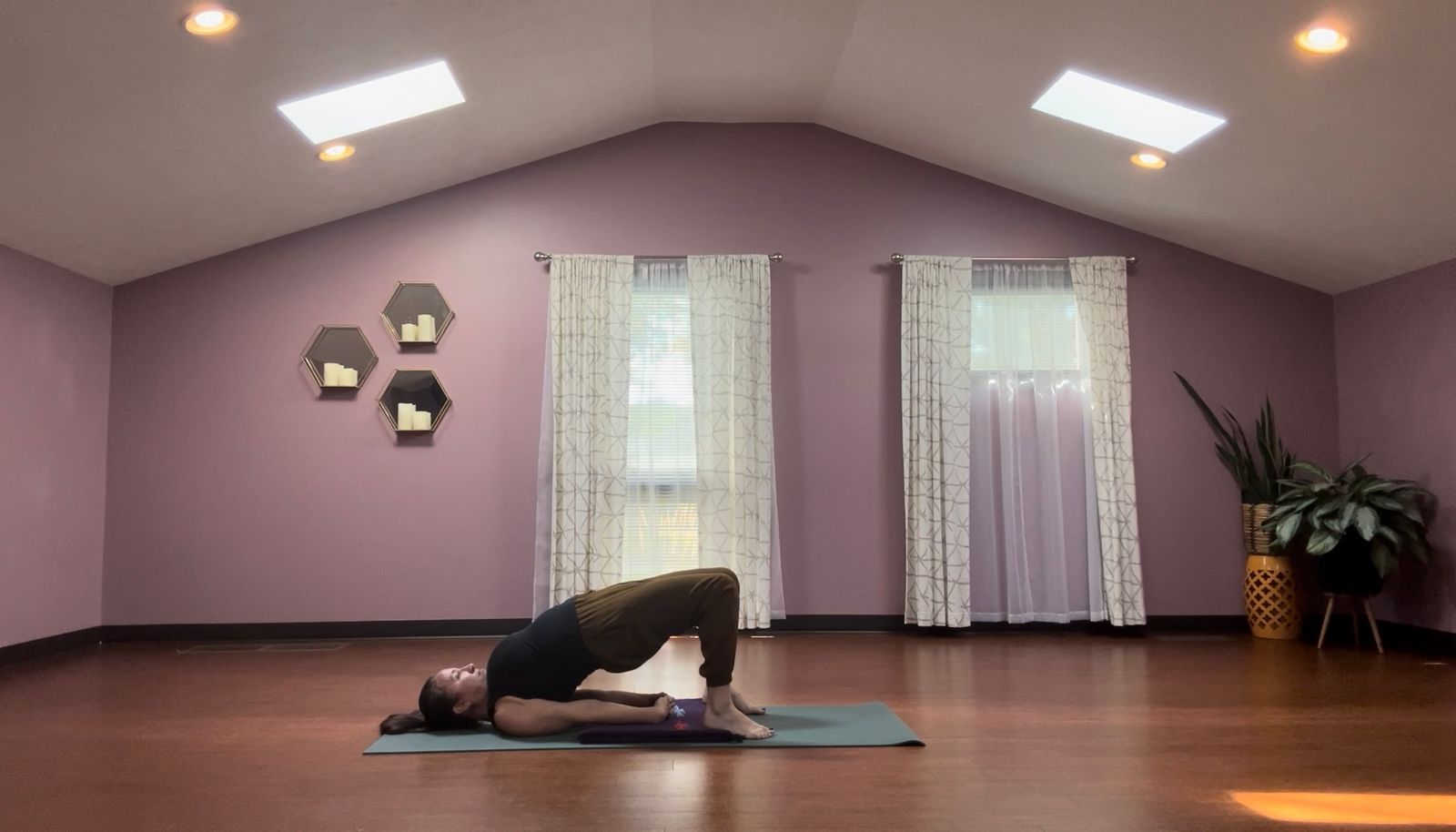
Bridge: Strengthens the muscles around the knees, providing support and stability without putting pressure on the joint.
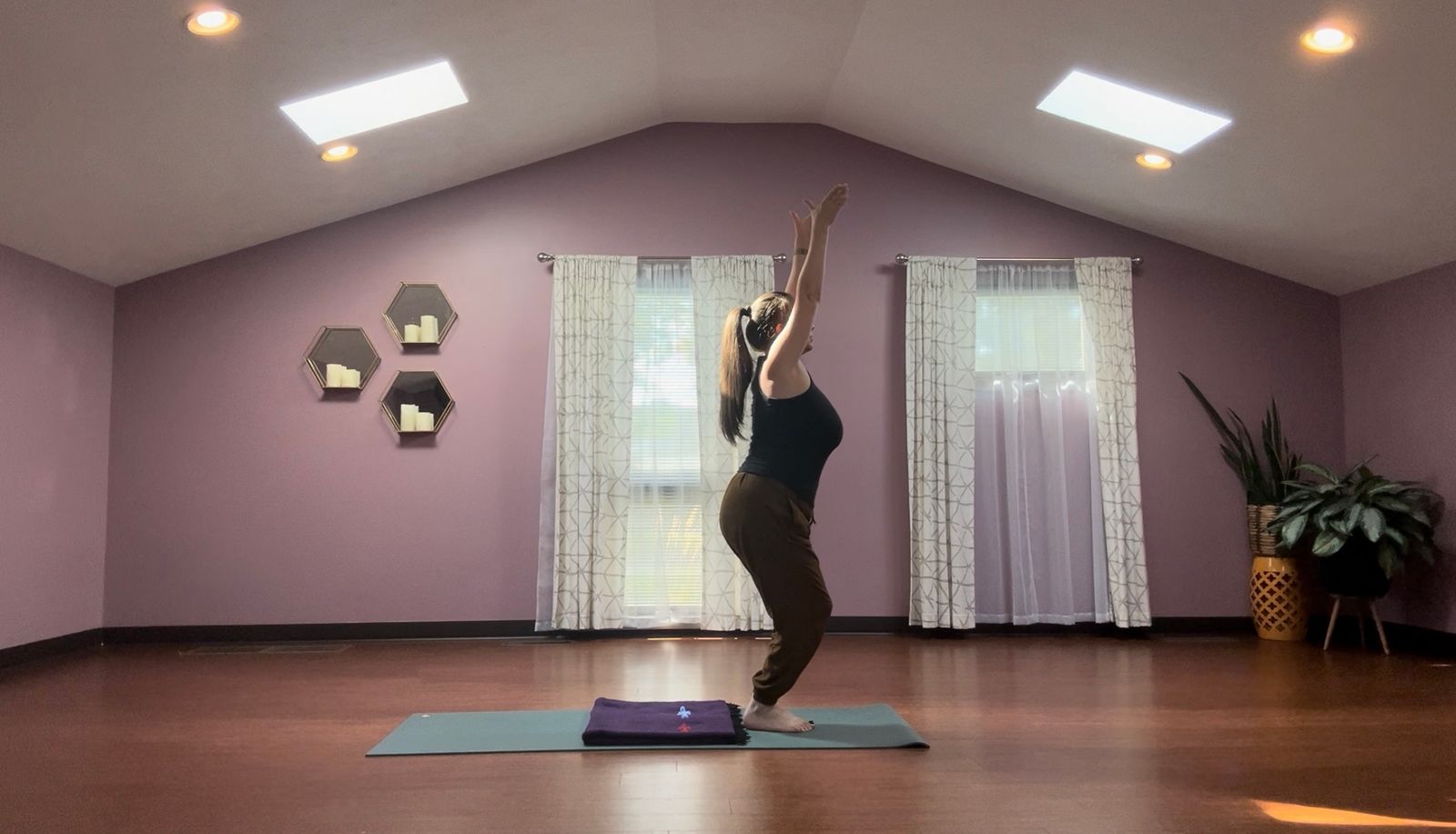
Chair: This pose strengthens the thighs and glutes, which support the knees and improve joint stability.
For Shoulder and Neck Pain
Hormonal fluctuations and stress can cause tension to build in the shoulders and neck.
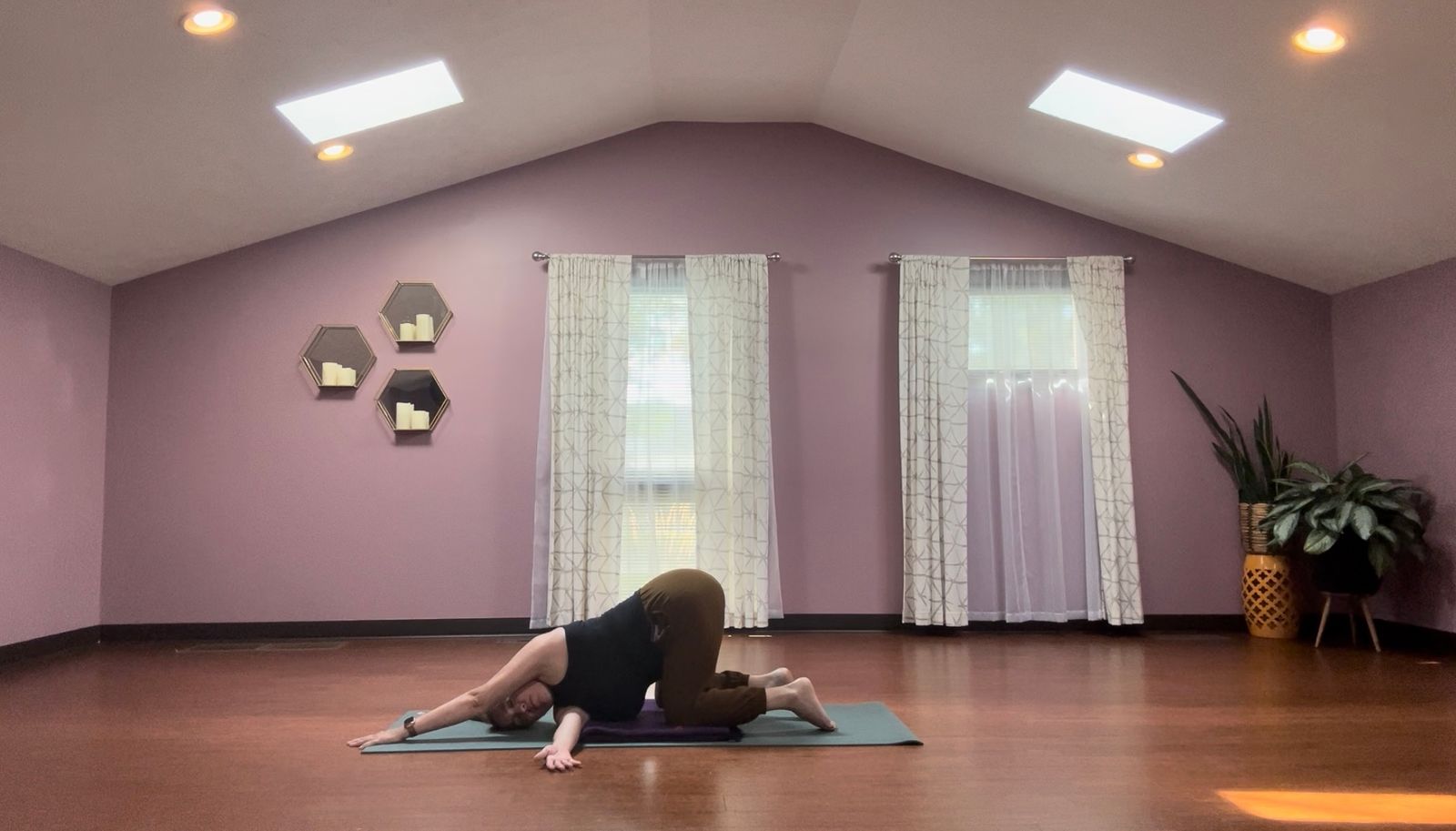
Thread the Needle: A gentle twist that can help release tension in the shoulders and upper back.
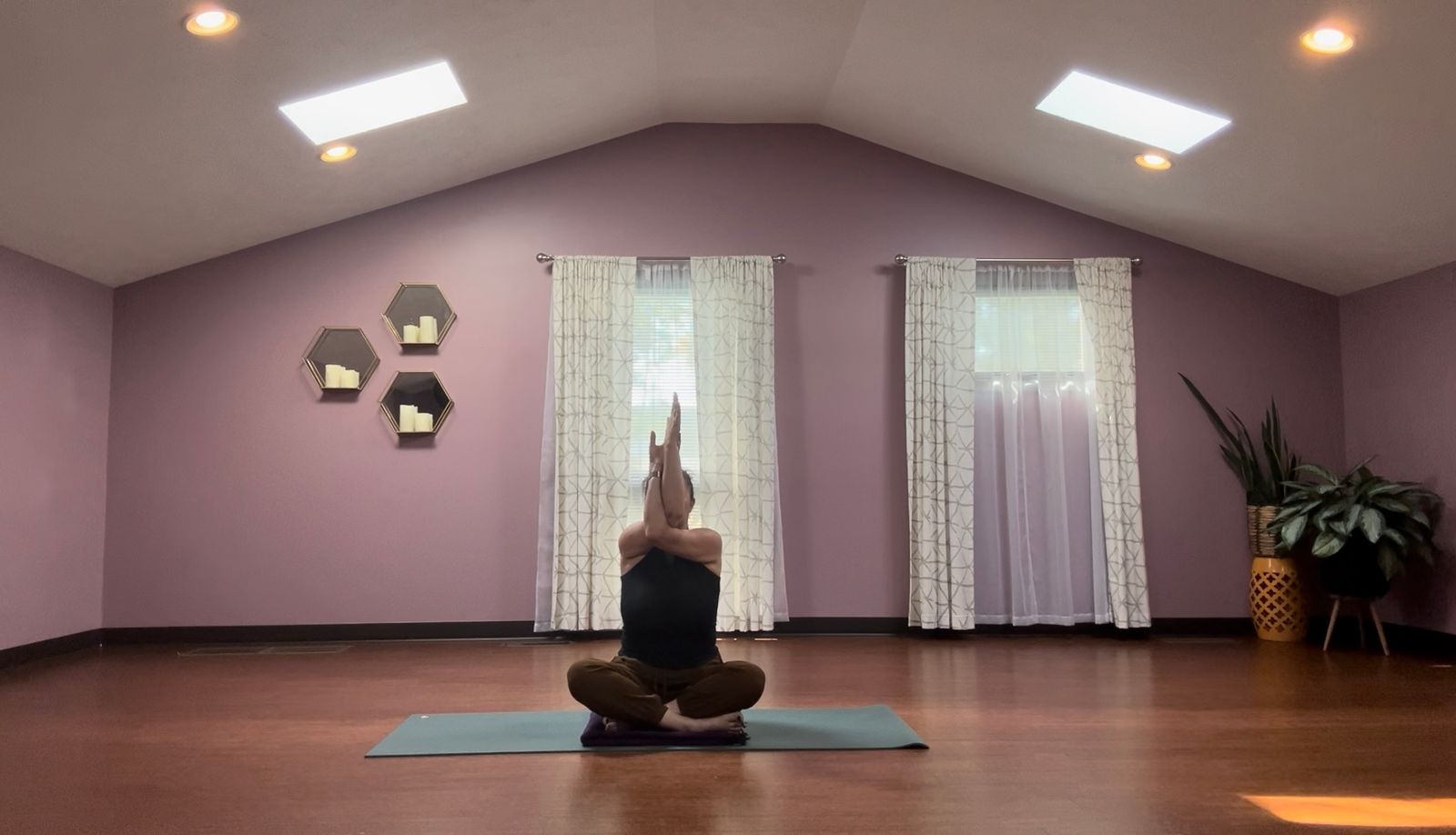
Eagle Arms: Good for stretching the upper back and shoulders, relieving tension.
Incorporating Breath and Relaxation
Breathing is a key component of yoga, especially when dealing with pain. Deep, mindful breathing can help calm the nervous system, reducing both physical and emotional stress.
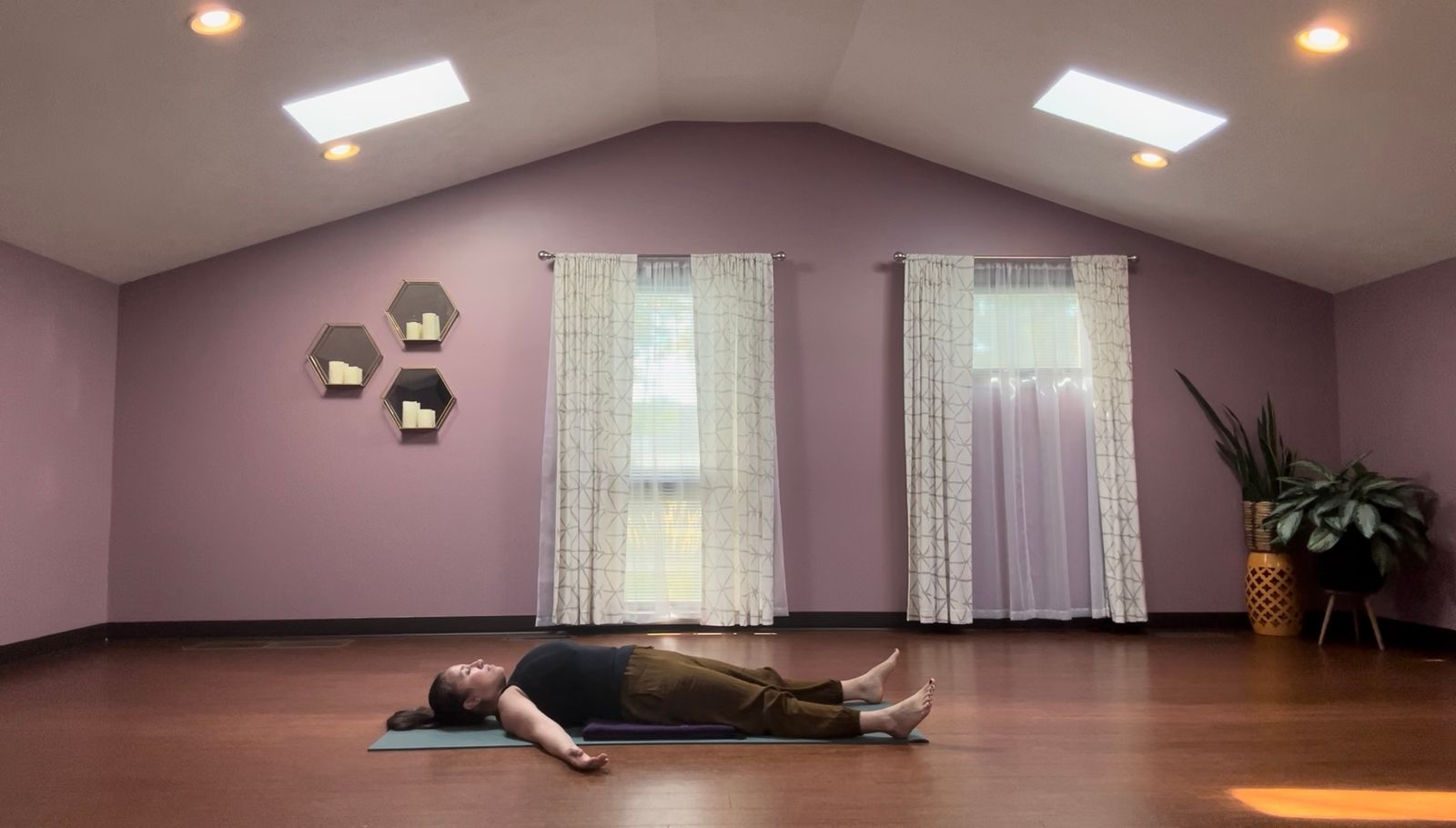
A restorative pose, like savasana, at the end of your practice combined with deep breathing, can help release tension that builds up throughout your day. Allow yourself to fully relax here, letting go of any discomfort or stress you've been holding on to.
Myofascial Release for Deep Relief
Menopause can also cause tightness in the fascia, the connective tissue that surrounds our muscles. Incorporating gentle myofascial release techniques, like using a tennis ball or foam roller, can complement your yoga practice by providing deeper, more targeted, relief. Target areas like the hips, lower back and the shoulders. You may not think to target the soles of the feet, but I have found that it tends to relieve lower back pain in my case.
Listening to Your Body Through Menopause
One of the most important things during this phase of life is learning to listen to your body. Yoga is a wonderful practice to help with that. It teaches us to move with awareness, tune into what our body's are asking for and find a sense of ease. Even on days when things feel a little more difficult.
There is no right or wrong way to experience menopause, just like there's no one-size-fits-all approach to yoga. If a pose doesn't feel good, modify it or skip it all together. The goal is to move in a way that feels supportive and nurturing.
Embrace the Change with Compassion
Menopause can bring challenges, but it's also an opportunity to reconnect with your body in new ways. Yoga offers a gentle, non-judgmental space for you to move through this transition with compassion. With each practice, you'll likely find more strength, more flexibility and ease for both your body and your mind.
Remember, it's not about perfection. It's about progress and finding what works for you. So roll out your mat, take a deep breath and give yourself permission to move through this phase with kindness and care.
Resources
1. Harvard Health - Yoga for Joint Pain: A Gentle Solution
2. North American Menopause Society - Managing Menopause Symptoms
3. Mayo Clinic - Menopause and Joint Pain
Jen Beal | SEP 9, 2024
Share this blog post

 OfferingTree